Osiyo!
I'm your virtual guide to the Cherokee Nation. I'm in beta and still learning, but you may ask me anything about our services, government, and more. Please, don't share any personal details with me.
Here are some common questions to get started:
Results are AI-powered and may include errors.
Services & Information
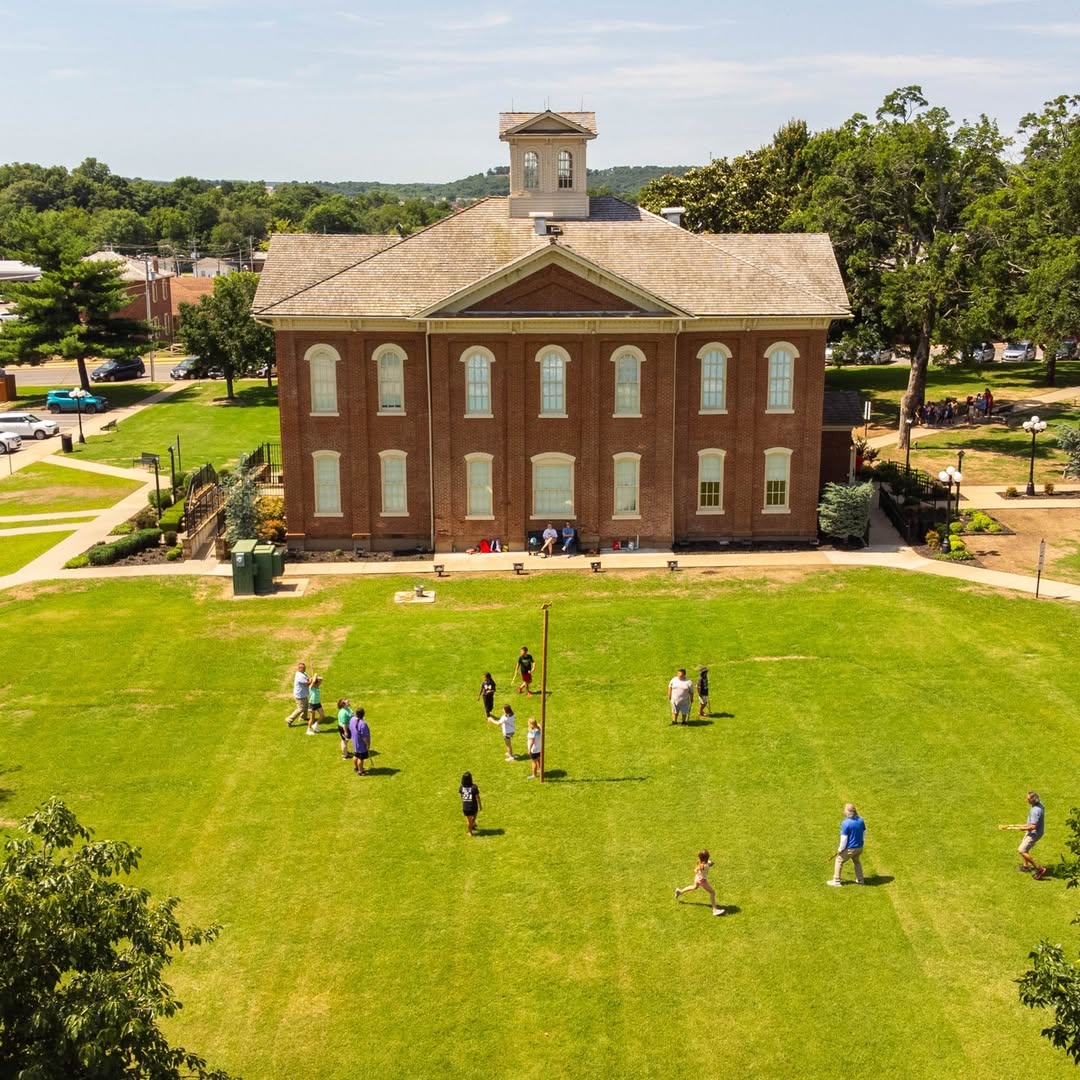
Our Nation
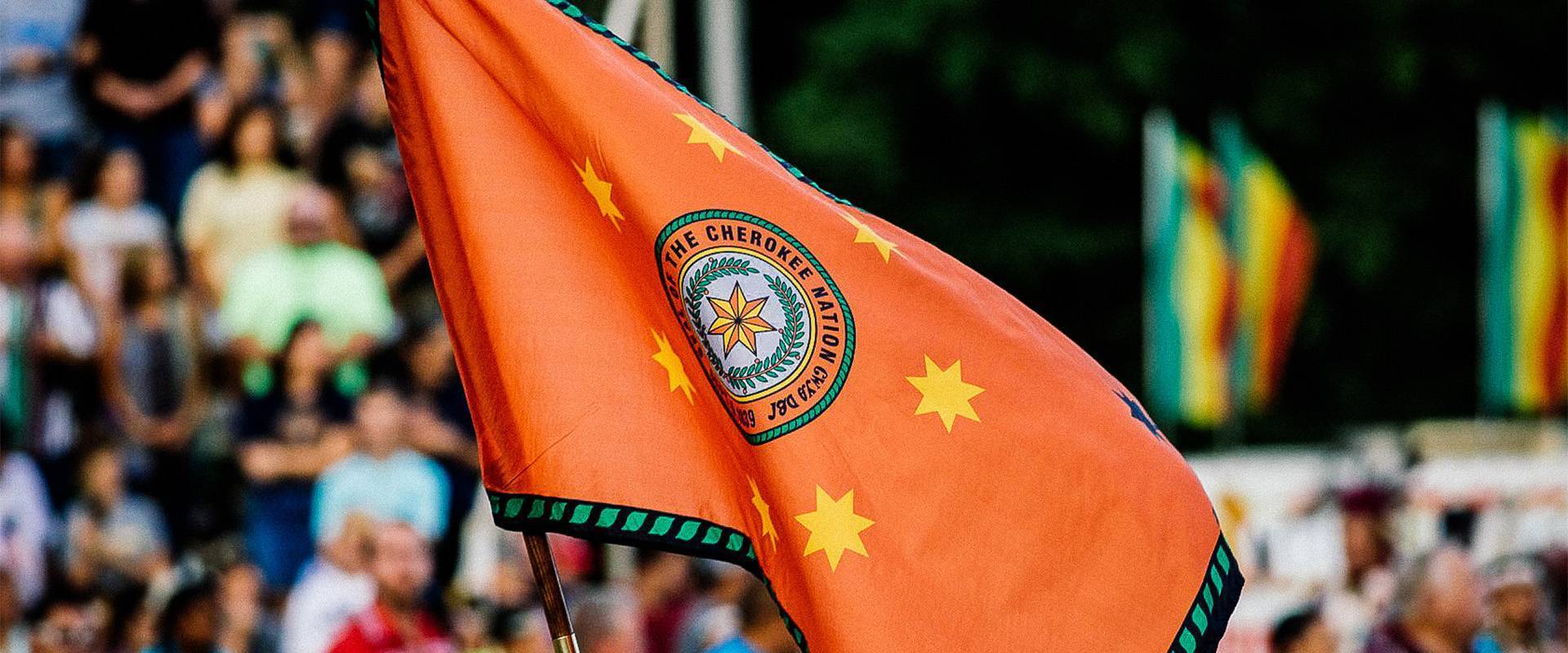
Community & Culture
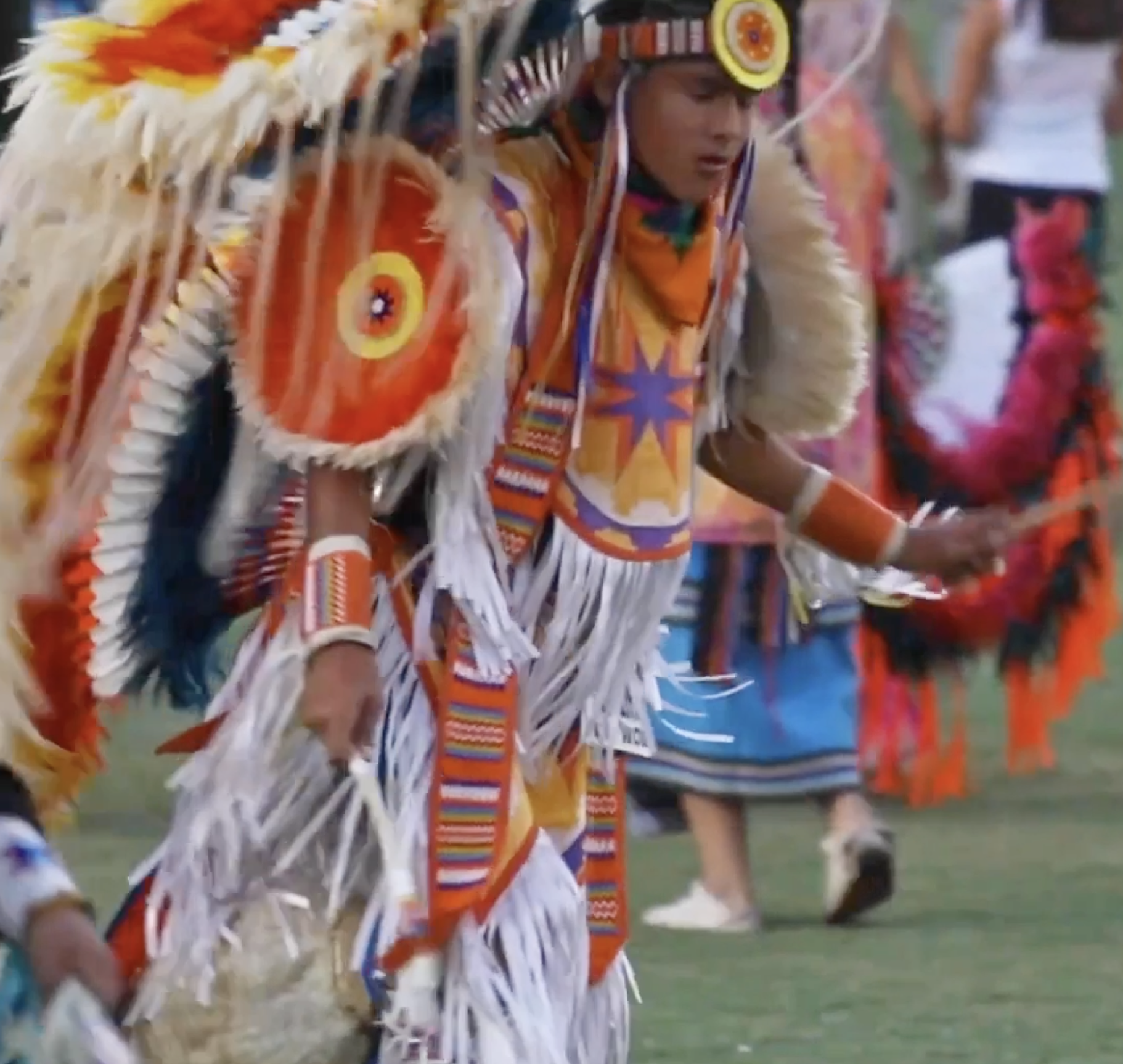
Categories
Categories
Osiyo!
I'm your virtual guide to the Cherokee Nation. I'm in beta and still learning, but you may ask me anything about our services, government, and more. Please, don't share any personal details with me.
Here are some common questions to get started:
Results are AI-powered and may include errors.
Services & Information
Community & Culture
Osiyo!
I'm your virtual guide to the Cherokee Nation. I'm in beta and still learning, but you may ask me anything about our services, government, and more. Please, don't share any personal details with me.
Here are some common questions to get started:
Results are AI-powered and may include errors.
Tribal Council Meeting
Video Content