

Updated November 18, 2025
I'm your virtual guide to the Cherokee Nation. I'm in beta and still learning, but you may ask me anything about our services, government, and more. Please, don't share any personal details with me.
Here are some common questions to get started:
Results are AI-powered and may include errors.
I'm your virtual guide to the Cherokee Nation. I'm in beta and still learning, but you may ask me anything about our services, government, and more. Please, don't share any personal details with me.
Here are some common questions to get started:
Results are AI-powered and may include errors.
I'm your virtual guide to the Cherokee Nation. I'm in beta and still learning, but you may ask me anything about our services, government, and more. Please, don't share any personal details with me.
Here are some common questions to get started:
Results are AI-powered and may include errors.
Tribal Council Meeting
Video Content
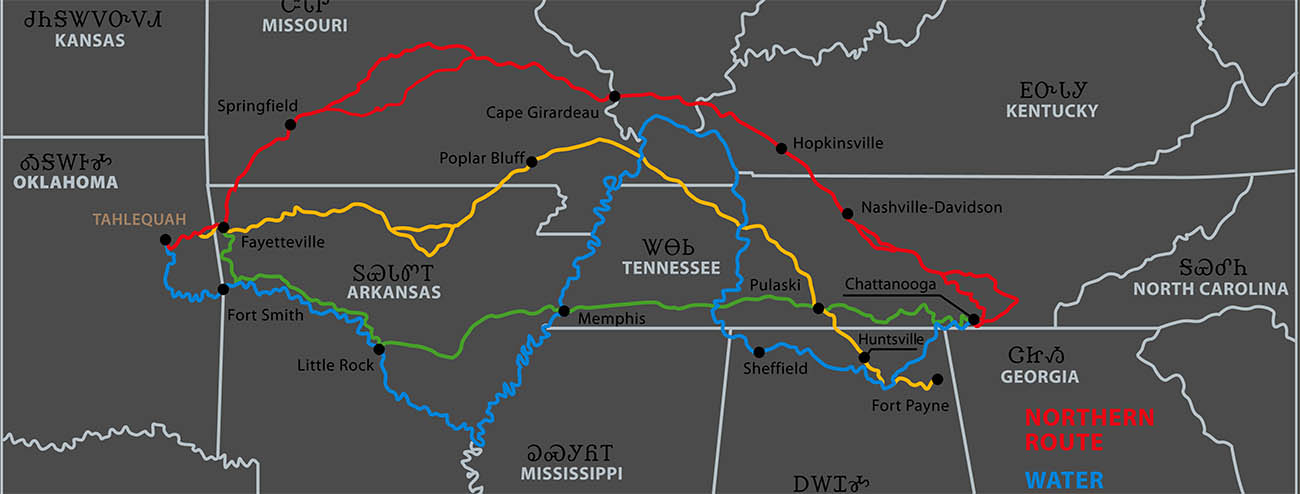
Starting in the summer of 1838, Cherokees were rounded up and forced from their homes in Georgia, Tennessee and other southeastern states to the tribe’s current capital in Tahlequah, Oklahoma, as part of the federal Indian Removal Act. Of the estimated 16,000 Cherokees forced to make the journey, commonly referred to as the Trail of Tears, an estimated 4,000 died due to exposure, starvation, and disease. Remember the Removal bike riders will travel on the Northern Route, one of six removal routes, in honor of their ancestors. They start in New Echota, Georgia, and cycle across seven states before ending their 950-mile journey in Tahlequah.
Updated November 18, 2025