ᎢᏤ ᎢᏦᏗ
New Echota
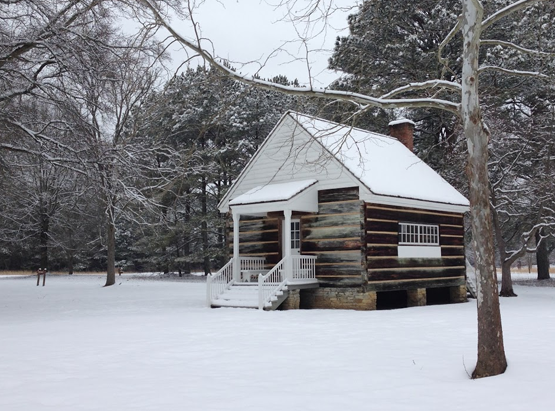 In 1825, the Cherokee national legislature established a capital here, where there existed the first Indian language newspaper office, a court case that carried to the U.S. Supreme Court, the signing of a treaty that relinquished Cherokee claims to lands east of the Mississippi River, and the assembly of Indians for removal to present-day Oklahoma.
Several original and reconstructed buildings are seen here, including the council house, court house, print shop, missionary Samuel Worcester's home, and an 1805 store, along with smoke houses, corn cribs, and barns.
In the site's visitor center, guests can view interpretive exhibits and a 17-minute film.
Updated March 13, 2026