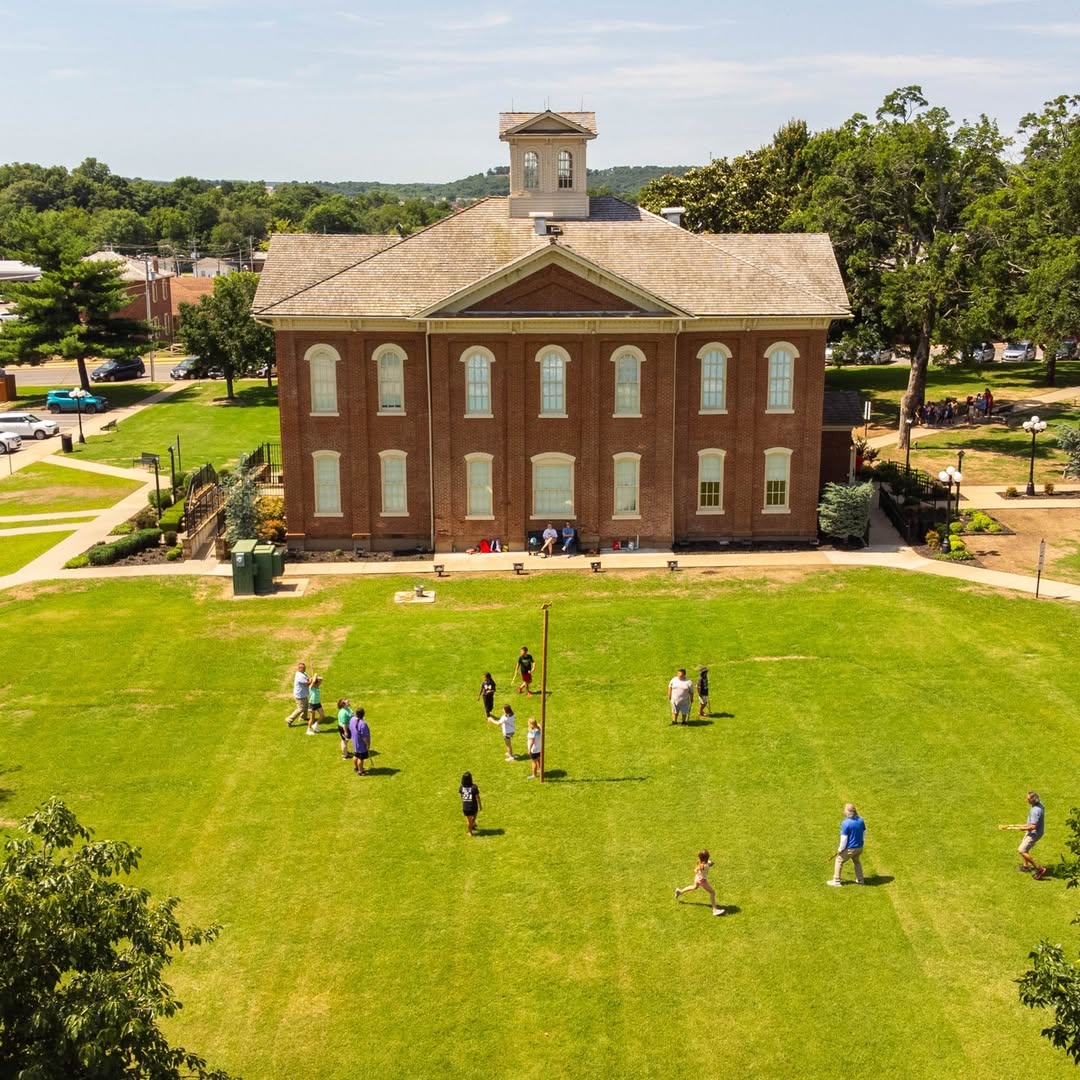


ᎤᏁᎦ ᎦᎶᎯᏍᏗ ᎠᎴ ᏚᎦ ᎩᏂᏒ ᏕᎦᏂᏌᎲᎢ
Whitepath and Fly Smith Graves
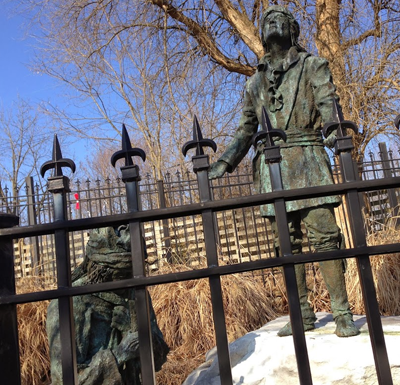
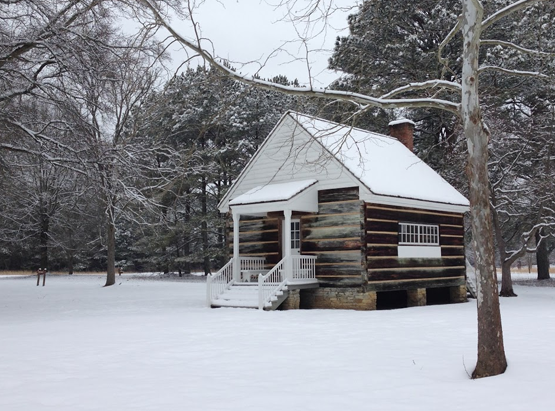 The Park was the first non-federally owned site to be certified on the Trail of Tears National Historic Trail. Chief Whitepath was a member of the Elijah Hicks Detachment that left the first week of October 1838, with Whitepath serving as assistant conductor. By the time they reached Nashville, the Chief had become ill; upon reaching Gray’s Inn at Guthrie, Kentucky, water from the Inn’s well seemed to revive him. While camped along the south fork of the Little River outside of Hopkinsville, Whitepath died.
Fly Smith was traveling with the Old Field Detachment and became ill along the way and died after reaching Hopkinsville. Stephen Foreman, a minister serving as assistant conductor of the Old Field Detachment, and Jesse Bushyhead, a minister traveling with Whitepath, preached the funeral sermons over Chief Whitepath and Fly Smith, who are buried in the Latham Cemetery located on the Park property.
Updated March 15, 2026